What Is ABA Therapy? A Parent’s Guide to Understanding Applied Behavior Analysis
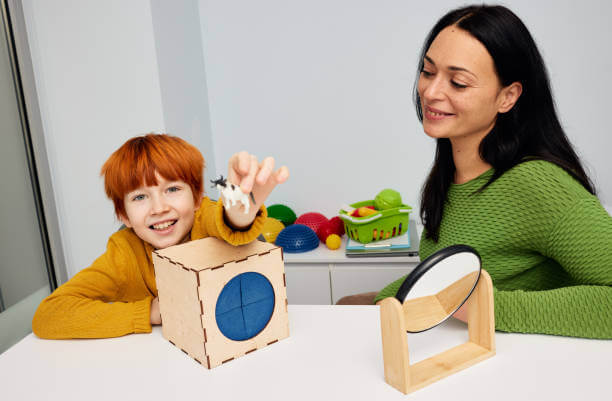
Finding out your child may need extra support with communication, behavior, or daily skills can feel like a lot to process. You might be hearing new terms for the first time, sitting through evaluations, and trying to figure out what comes next. If someone has mentioned ABA therapy, you are probably wondering what it actually involves and whether it is right for your child.
ABA therapy, short for Applied Behavior Analysis, is one of the most researched and widely used approaches for helping children build communication, social, behavioral, and daily living skills. It is not a one-size-fits-all program. It is built around your child’s specific strengths and needs, and it adjusts as your child grows.
This guide walks through what ABA therapy is, who it helps, how a typical program works, and what you can expect if you decide to pursue it for your child. By the end, you should have a clear picture of whether ABA therapy makes sense for your family and what questions to ask as you look for the right provider.
What Is ABA Therapy?
Applied Behavior Analysis is a therapeutic approach grounded in the science of learning and behavior. At its core, ABA looks at how behavior is influenced by the environment, and it uses that understanding to teach new skills and reduce behaviors that get in the way of a child’s growth.
ABA therapy did not appear overnight. It grew out of decades of behavioral science research, and it has been refined over the years into an evidence-based practice recognized by major health organizations. That track record is part of why so many pediatricians, psychologists, and school systems recommend it for children with autism spectrum disorder.

Child playing with toy pyramid at wooden table indoors, closeup. ABA therapy concept
The common goals of ABA therapy include:
- Building functional communication, whether verbal or through alternative methods
- Increasing independence in daily routines
- Strengthening social skills like turn-taking, sharing, and reading social cues
- Reducing behaviors that interfere with learning or safety
- Supporting emotional regulation
What makes ABA different from a generic skills class is the data. Every session is measured. Therapists track what is working, what isn’t, and adjust the plan accordingly. That constant feedback loop is what separates ABA from approaches based on guesswork.
Who Can Benefit From ABA Therapy?
ABA therapy is most commonly associated with children diagnosed with Autism Spectrum Disorder, and for good reason. Decades of research point to ABA as one of the most effective interventions for helping children on the spectrum build skills that improve their day-to-day lives.
That said, ABA is not limited to a single age group or severity level. It can benefit:
- Toddlers just starting early intervention services
- School-age children working on classroom readiness and peer interaction
- Teens building independence and self-advocacy skills
- Children with a wide range of support needs, from those who need significant assistance to those working on more targeted goals
Every child’s program looks different. A three-year-old just beginning to communicate will have a completely different set of goals than a ten-year-old preparing for a mainstream classroom. That individualization is what makes ABA effective across such a wide age and ability range.
How Does ABA Therapy Work?
A quality ABA program follows a structured process. It is not a single technique applied the same way to every child. It is a cycle of assessment, planning, teaching, and adjustment.
Initial Assessment
Every ABA program starts with a thorough assessment. A Board Certified Behavior Analyst (BCBA) conducts a functional assessment to understand your child’s current skills, challenges, and the specific behaviors you want to address. This usually includes:
- Direct observation of your child in different settings
- A detailed parent interview to understand routines, concerns, and priorities at home
- Formal skill evaluations covering communication, social interaction, and daily living tasks
This step matters because it sets the foundation for everything that follows. Without an accurate picture of where your child is starting, a treatment plan cannot be built around their actual needs.
Individualized Treatment Plan
Once the assessment is complete, the BCBA develops a treatment plan with specific, measurable goals. These goals are not generic. They are built around what your child needs to work on and what matters most to your family.
Parent input plays a real role here. You know your child better than anyone, and a good BCBA will ask what skills would make the biggest difference in your daily life, whether that is reducing mealtime struggles, helping your child communicate frustration without a meltdown, or preparing for a new school year.
One-on-One Therapy Sessions
Most ABA therapy happens through one-on-one sessions between your child and a trained therapist, often called a Registered Behavior Technician (RBT), working under the BCBA’s supervision. During these sessions:
- Skills are broken down into manageable steps and taught systematically
- Positive reinforcement is used to encourage progress and build motivation
- Data is collected on nearly everything, from how many times a skill was attempted to how much support your child needed
That data collection might sound clinical, but it is what allows the team to know quickly if something is working or if the approach needs to change.
Progress Monitoring
ABA is not a set-it-and-forget-it program. The BCBA reviews data regularly, usually every few weeks, to evaluate progress and adjust goals. If a skill has been mastered, new goals are introduced. If something isn’t working the way it was expected to, the plan gets revised. This ongoing monitoring is a big part of why ABA can adapt as your child grows and changes.
Skills ABA Therapy Helps Develop
ABA therapy covers a wide range of skill areas, and the specific mix depends entirely on your child’s goals.
Communication Skills
This might mean building vocabulary, teaching a child to use a communication device, or helping a nonverbal child develop functional ways to express needs and wants.
Social Skills
Turn-taking, initiating play with peers, understanding personal space, and recognizing social cues are all common targets, especially for children preparing for group settings like school or extracurricular activities.
Daily Living Skills
Getting dressed, brushing teeth, following a morning routine, and other independence-building tasks often show up in a child’s treatment plan, particularly as families work toward reducing daily stress at home.
Emotional Regulation
Many children benefit from learning how to identify and manage big feelings in healthier ways, which can reduce meltdowns and improve overall quality of life for the whole family.
Play Skills
Learning to play appropriately with toys, engage in pretend play, or share materials with other children builds a foundation for social development.
School Readiness
For children preparing to enter or return to a classroom setting, ABA can target sitting for instruction, following multi-step directions, and transitioning between activities.

Mental health for kids. Professional kids psychologist working with cute male child in office during play therapy session
Benefits of ABA Therapy
Families who commit to a consistent ABA program often notice changes across several areas of their child’s life:
- Increased independence, as children master daily tasks that once required significant assistance
- Better communication, reducing frustration for both the child and the family
- Improved behavior, particularly around challenging behaviors that used to disrupt routines
- Greater confidence, as children experience success with new skills
- Family support, since ABA programs typically involve parent training and coaching
- Better quality of life, both for the child and for the household as a whole
These benefits build gradually. ABA is not a quick fix, and progress looks different for every child, but consistent, individualized therapy tends to produce meaningful, lasting change over time.
What Happens During an ABA Therapy Session?
If you have never seen an ABA session in action, it can help to know roughly what to expect.
Most sessions start with a warm-up, often a favorite activity or game that helps the child transition into the session comfortably. From there, the therapist moves into structured learning activities tied to the child’s specific goals, whether that is practicing words, working on a fine motor task, or rehearsing a social interaction.
Good ABA programs also incorporate natural environment teaching, which means practicing skills in real, everyday contexts rather than only at a table. A child might practice requesting a snack during actual snack time, or practice sharing during genuine play with a peer.
Play-based learning is woven throughout, especially for younger children, since play is one of the most effective ways to teach new skills without it feeling like “work.” Sessions typically end with time for the therapist to communicate updates to parents, covering what was practiced, how the child responded, and what to reinforce at home.
What Is the Role of Parents in ABA Therapy?
ABA therapy works best when parents are actively involved, not just informed after the fact. Parent coaching is a standard part of most quality programs, where the BCBA teaches you strategies to reinforce your child’s goals outside of therapy sessions.
That might look like specific language to use during a tantrum, a visual schedule to try at home, or a consistent way to respond when your child asks for something. Practicing these strategies at home helps skills generalize beyond the therapy room, which is often where the real progress shows up, in everyday moments like getting through breakfast without a struggle or handling a trip to the grocery store more smoothly.
Consistency between the therapy team and the home environment tends to produce faster, more durable results. Collaboration, not just observation, is what makes the difference.
Is ABA Therapy Effective?
ABA is widely recognized as an evidence-based practice, meaning its effectiveness has been studied extensively and supported by decades of research. That said, results vary from child to child. Some children make rapid progress, while others need more time and a higher level of support to reach the same milestones.
A few factors tend to influence outcomes:
- Consistency of attendance and participation
- Family involvement outside of sessions
- The quality and individualization of the treatment plan
- How early the child begins receiving services
Progress is measured continuously through the data collection process described earlier, which means you should always have a clear picture of how your child is doing, not just a general sense that “things seem better.”
When Should a Child Start ABA Therapy?
Early intervention is one of the most consistent themes in autism research. Starting ABA therapy at a young age, often as early as two or three years old, can take advantage of a period of rapid brain development and help children build foundational skills before starting school.
That said, starting early does not mean it is too late if your child is older. Children of all ages can and do make meaningful progress in ABA therapy. The specific goals and pacing will look different for an older child, but the core benefits, individualized skill-building and consistent progress monitoring, remain the same.
If your child has recently been diagnosed, or if you have been considering ABA for a while but haven’t started, the most useful next step is simply getting an assessment scheduled so you have real information to work from rather than guessing.
Choosing the Right ABA Provider
Not all ABA providers operate the same way, so it is worth knowing what to look for.
- Qualified BCBAs overseeing every treatment plan, not just technicians working independently
- Individualized treatment plans built around your child’s specific needs, not a standard curriculum applied to everyone
- Parent involvement built into the program, not treated as an afterthought
- Progress tracking that is transparent and shared with you regularly
- Compassionate care from a team that treats your child as an individual, not a diagnosis
Asking providers directly about their assessment process, how often they review progress, and how they involve parents will tell you a lot about the quality of care your child will receive.
Why Families Choose Harmony ABA Centers
At Harmony ABA Centers, we build every program around the individual child, not a template. Our team of experienced BCBAs designs treatment plans based on a thorough assessment of your child’s strengths and needs, then adjusts that plan as your child grows.
We take a family-centered approach because we know therapy doesn’t stop when the session ends. Our parent coaching program equips you with practical strategies you can use at home, so progress made in sessions carries over into everyday life.
Everything we do is grounded in evidence-based treatment, and we serve families throughout Katy and the Greater Houston area with a team that genuinely cares about seeing your child succeed, not just complete a program.
Frequently Asked Questions
Is ABA therapy only for autism?
ABA is most commonly used for children with autism spectrum disorder, but the underlying principles can apply to a range of behavioral and developmental needs. Most ABA providers, including Harmony ABA Centers, specialize in working with autistic children specifically.
How many hours of ABA therapy does a child need?
This varies widely based on the child’s needs and goals. Some children benefit from a few hours a week, while others, particularly those with more significant support needs, may benefit from a more intensive schedule. Your BCBA will recommend a specific number of hours based on your child’s assessment.
Does insurance cover ABA therapy?
Many insurance plans cover ABA therapy, especially since most states require coverage for autism-related services. Coverage details vary by plan, so it is worth confirming specifics directly with your provider and insurance company.
How long does ABA therapy last?
There is no fixed timeline. Some children work with an ABA team for a couple of years, while others continue longer depending on their goals and progress. Therapy typically continues until a child has met their treatment goals and is ready to transition to less intensive support.
Is ABA therapy play-based?
Play is a major component of ABA, especially for younger children. Therapists use play to teach skills in a natural, engaging way, while also incorporating more structured teaching for specific goals.
How much does ABA therapy cost?
ABA therapy typically costs between 120 and 150 dollars per hour without insurance, with weekly costs depending on how many hours a child is recommended for. Most families with insurance pay significantly less, since Texas law requires coverage for medically necessary ABA therapy. The best way to know your exact cost is a free insurance verification before starting.
Can parents participate in sessions?
Yes, and it is encouraged. Many programs include parent training sessions specifically so you can learn strategies to use outside of therapy time.
How is progress measured?
Through ongoing data collection during every session, tracking things like how independently a skill was performed and how often a behavior occurred. This data is reviewed regularly and used to adjust the treatment plan.
What age is best to start ABA therapy?
Earlier is generally better, with many children starting between ages two and four, but ABA can be effective for children of any age, including older children and teens.
Final Thoughts
ABA therapy is built around one core idea: every child learns differently, and the right support can help them build skills that make a real difference in daily life. It takes an individualized approach, relies on ongoing data to guide decisions, and works best when families are active partners in the process. Starting early tends to produce the strongest results, but meaningful progress is possible at any age.
If you’re looking for compassionate, individualized ABA therapy in Katy or the Greater Houston area, Harmony ABA Centers is here to support your family. Contact us today to schedule a consultation and learn how our team can help your child reach their full potential.